Wednesday, 4 December 2019

YTL AWARDS TEACHERS AND SCHOOLS FOR ADOPTING TECHNOLOGY IN EDUCATION


YTL Foundation programme director Kathleen Chew (centre) and FrogAsia executive director Yeoh Pei Lou (third from left) with Frog Teacher Awards winners Mohd Fadzli Ishak (second from left) and Kamariah Awang (third from right) and others at the prize giving ceremony.

Outstanding teachers and schools nationwide were honored for their efforts in adopting technology and raising the bar in 21st century education at the YTL Foundation Awards Night recently.
The awards, organised in collaboration with FrogAsia, acknowledged those who have transformed education and made extraordinary contributions in school administration as well as community engagement.
Exemplary educators were given recognition through the Frog Teachers Awards, Frog World Championships, Global School Leaders Malaysia Awards, Tan Sri Yeoh Tiong Lay Transformational Awards, Puan Sri Kai Yong Yeoh Book Prize and YTL Foundation Schools Awards.
The Frog Teacher Awards winner for the Gamechanger in Edutech category, Mohd Fadzli Ishak hoped to inspire more teachers to go the extra mile for the sake of educating the future generation.
A strong advocate of education technology, the Sekolah Kebangsaan Taman Bukit Indah in Nusajaya, Johor teacher revealed that his pupils look forward to learning when he integrates technology into it.
“Pupils nowadays learn differently. The use of technology allows teachers to be more creative in the classroom while providing an exciting learning experience for the pupils.
“Despite my pupils being in primary school, I decided to introduce basic coding to them. As a result, they managed to do their own coding and so became inspired to be digital creators,” he said.
Mohd Fadzil added that this type of exposure is needed to produce future-ready learners, those that are ready for digital learning.
Kamariah Awang of Sekolah kebangsaan Gong Balai in Marang, Terengganu clinched the Most Exceptional Educator category under the Frog Teacher Awards.
For Kamariah, her pupils are her inspirations.
“The kids always have new ideas when it comes to activities that we can do in the classroom. Their enthusiasm to learn is what keeps me motivated.
“I believe that learning is experiencing. In my lessons, I try my best to involve the pupils in the process. For example, we carried out Skype sessions with other schools across the globe to inculcate cultural awareness and understanding of others’ traditions and values.
“We also went to multiple class trips to provide the kids with real world experiences,” she added.
Meanwhile, Sekolah Menengah Ampang Pecah, Selangor was awarded RM20,000 in grant money under the YTL Foundation Schools Awards for its compelling and sustainable proposal to create change in the school community.
Saemah Sahir, who teaches basic Computer Science at the school, said the school carried out the #eratperpaduan campaign throughout the year to foster unity, improve inter-racial interactions and establish greater understanding among the school community.
Present at the award-giving ceremony were FrogAsia executive director Yeoh Pei Lou and YTL Foundation programme director Datin Kathleen Chew.
In her opening speech, Chew said that teaching is a noble profession that shapes character and calibre and contributes to the future of an individual. However, not many realise the sacrifices teachers have to make to ensure that students are learning at their full potential.
“Teachers are the backbone of our society because they are educators for the nation. Hence, every year, we celebrate these teachers for their efforts and dedication in elevating the education standards in Malaysia.
“We want to celebrate those who have worked hard behind the scenes to propel their students forward and have seen the fruit of their labour.
“Teaching is a challenging profession as educators deal with different kinds of students, requiring them to be dynamic and agile in using different teaching approaches. It takes special individuals to achieve excellence in this career,” Chew added.
NEW STRAITS TIMES ONLINE

GURU ROBOTIK TERIMA ANUGERAH MENTOR DI CHINA


GURU Pendidikan Agama Sekolah Kebangsaan Seri Terentang, Mazlan Muhamad Yusof meraih Anugerah Mentor di World Championship MakeX Robotics Competition 2019 di Guangzhou, China baru-baru ini.
PEKAN: Anugerah Mentor yang dimenangi pada World Championship MakeX Robotics Competition 2019 di Guangzhou, China, minggu lalu adalah pengiktirafan tertinggi yang membanggakan bagi seorang guru.
Tanpa pendedahan khusus dalam bidang robotik tidak menjadi penghalang kepada Mazlan Muhamad Yusof, 38, untuk meneroka bidang yang masih dianggap baharu di negara ini.
Mazlan berkata, selepas hanya dua tahun terbabit dalam bidang robotik di peringkat kebangsaan dan antarabangsa dia tidak menyangka berpeluang menerima anugerah mentor di peringkat dunia.
“Saya menganggap terlalu awal untuk menerima anugerah berkenaan yang hanya layak diterima individu berpengalaman luas dalam bidang robotik selain mencipta banyak kejayaan di pentas antarabangsa.
“Bagaimanapun itu mungkin rezeki saya tahun ini, dengan menyediakan biodata peribadi dan video pendek selama dua minit mengenai usaha saya mengajar murid sekolah luar bandar menghasilkan robot sehingga kejayaan dapat diraih.
“Penganjur mungkin melihat kesungguhan dan minat saya dalam bidang robotik walaupun tanpa pendidikan khas dalam bidang berkenaan,” katanya, di sini hari ini.
Mazlan berkata, lebih 300 pasukan membabitkan 60 negara bersaing pada World Championship MakeX Robotics Competition namun empat guru pembimbing saja layak bersaing di peringkat akhir untuk merebut anugerah mentor bagi meraih hadiah wang tunai disediakan penganjur.
Beliau yang juga guru pendidikan agama di Sekolah Kebangsaan (SK) Seri Terentang, di sini berkata, mula terbabit dalam bidang robotik dua tahun lalu hanya sebagai hobi selepas melihat beberapa rakan berjaya menghasilkan robot untuk mengisi masa lapang.
Katanya, bermula dari situ dia nekad mencuba dengan membeli dua set robotik berharga RM7,000 buatan China untuk kegunaan peribadi, selain tunjuk ajar rakan dia juga banyak mendapat panduan melalui internet.
Mazlan yang memiliki Ijazah Sarjana Muda bahasa Arab dan Ijazah Sarjana Teknologi Maklumat, berkata anugerah mentor yang dimenangi menjadi pembakar semangat untuk dia terus memajukan lagi bidang robotik di peringkat sekolah.
BERITA HARIAN ONLINE

TERAP NILAI MURNI, MINDA KELAS PERTAMA


Falsafah Pendidikan Kebangsaan telah menetapkan matlamat utama pendidikan ke arah melahirkan individu yang seimbang dan harmoni dari segi intelek, rohani, emosi serta jasmani berasaskan pegangan teguh dan kepercayaan kepada Tuhan.

Menteri Pendidikan, Dr Maszlee Malik berkata,  menjelang abad yang baharu, rakyat Malaysia perlu menjadi warganegara yang berminda kelas pertama, teguh jati diri, matang dalam menyimpulkan pandangan serta dinamik dalam mencorak pemikiran.

“Pihak Kementerian Pendidikan (KPM) mengambil pelbagai inisiatif ke arah melahirkan generasi yang cemerlang dan terdidik dengan adab terpuji.

“Penerapan nilai dan adab perlu menjadi tunjang kepada  kemenjadian pembentukan diri seseorang murid secara holistik selaras dengan Falsafah Pendidikan Kebangsaan.

“Kini, proses 3M (Menulis, Membaca dan Mengira) dalam  pengajaran dan pemudahcaraan (PdPc) pada  mana-mana peringkat perlu ditambah dengan M yang keempat iaitu Manusiawi,” katanya.


Menurut beliau, sekolah bukan lagi tempat persaingan  tetapi tempat pembelajaran nilai kemanusiaan.

“Nilai teras yang harus kita raikan seperti menyebarkan  kasih sayang,  diterapkan dalam suasana hormat  menghormati dan bertanggungjawab pula membuahkan
hidup aman dan gembira.

“Seiring kemajuan berteraskan revolusi industri  4.0, nilai manusiawi juga seharusnya  menjadi tunjang utama,” katanya.

Beliau berkata, jika soal nilai dan manusiawi tidak  difikirkan pada zaman teknologi ini dikhuatiri lahirnya  manusia yang bukan sahaja gagal menginsankan

teknologi, sebaliknya mereka pula ditukarkan menjadi seolah-olah jentera  berautomasi.

Kata Maszlee, atas dasar tanggungjawab, pihak kementerian telah  menyediakan Manual  Kesedaran Sivik dan Amalan Nilai Murni bagi kegunaan murid sekolah rendah dan menengah.

“Ia merupakan suatu  panduan melaksanakan aktiviti bimbingan ke arah merekayasa  amalan nilai murni dalam kalangan murid.

“Saya berharap manual ini digunakan secara maksimum  bagi memupuk kesedaran, ke arah membina kefahaman  sehingga ke peringkat nilai tersebut menjadi  amalan dan dibudayakan dalam kehidupan harian.

“Semoga usaha murni ini memberikan impak kepada  kemenjadian murid yang bukan sahaja cemerlang inteleknya malah terbilang sahsiahnya,” kata Maszlee.

KPM telah menyediakan Manual Kesedaran Sivik dan Amalan Nilai Murni bagi sekolah rendah dan menengah untuk  panduan pihak sekolah mengikut bulan disepanjang tahun.

Nilai teras yang diterapkan adalah kasih sayang, hormat menghormati,  bertanggungjawab dan kegembiraan.

Sumber : GPS Bestari

Tuesday, 3 December 2019

PISA 2018: MEMBACA BUKAN LAGI HOBI PELAJAR


PUTRAJAYA: Laporan Program Pentaksiran Pelajar Antarabangsa (PISA) 2018 yang menaksir 6,111 pelajar berusia 15 tahun dari 191 sekolah di Malaysia, menunjukkan aktiviti membaca sebagai hobi tidak lagi digemari.

Ketua Pengarah Pelajaran, Datuk Dr Amin Senin, berkata pentaksiran PISA 2018 yang mewakili 388,638 pelajar berumur 15 tahun di negara ini, mendapati mereka hanya membaca apabila terpaksa atau untuk tujuan tertentu dan bukan sebagai minat.

Justeru, beliau berkata, perkara itu perlu diberi perhatian bagi memupuk minat membaca.

Katanya, peratusan bahan dibaca oleh pelajar berusia 15 tahun di Malaysia juga menunjukkan pengurangan signifikan antara PISA 2018 dengan PISA 2009, iaitu ketika literasi bacaan menjadi domain utama.

Beliau berkata, tiga jenis bahan bacaan yang masih diminati ialah buku fiksyen, bukan fiksyen dan komik.

“Graf menunjukkan perbezaan sikap membaca antara pelajar lelaki dengan pelajar perempuan dalam PISA 2018, yang mana 77 peratus pelajar lelaki dan 58 peratus perempuan hanya membaca untuk mendapatkan maklumat diperlukan.

“Selain itu, 52 peratus pelajar lelaki dan 73 peratus perempuan memberi respons membaca adalah hobi digemari.

“Pertubuhan Kerjasama Ekonomi dan Pembangunan (OECD) melaporkan pengurangan dalam penggunaan bahan bercetak boleh dikaitkan dengan era digital, iaitu akses kepada ruang bual, pembacaan rencana dalam laman berita atau laman web yang menyediakan bahan bacaan dengan mudah.

“Peratusan murid Malaysia yang menyatakan mereka kerap melakukan pencarian maklumat dalam talian adalah tinggi, malah hampir menyamai peratusan purata OECD,” katanya pada sidang media Pencapaian Malaysia dalam PISA 2018, di sini, hari ini.

Amin menjelaskan, PISA diperkenalkan sejak 2000 dan ditadbir setiap tiga tahun yang mana dalam setiap pusingan, satu domain wajib menjadi domain utama.

Bagi PISA 2018 dan PISA 2009, domain utama ialah Literasi Bacaan, sekali gus menyebabkan PISA 2018 dibandingkan dengan PISA 2009.

Katanya, Malaysia kini berada di kedudukan satu per tiga pertengahan dalam kedudukan negara yang menyertai PISA 2018, serta menunjukkan pencapaian lebih baik dalam ketiga-tiga domain literasi, iaitu bacaan, matematik dan saintifik, berbanding negara ASEAN lain kecuali Singapura.

Secara keseluruhan, beliau berkata, pencapaian Malaysia meningkat secara signifikan dalam ketiga-tiga domain literasi, dan ada peningkatan dalam bilangan murid berpencapaian tinggi serta penurunan bilangan murid berpencapaian rendah.

“Pencapaian Malaysia berdasarkan skor purata juga menunjukkan Malaysia semakin menghampiri purata OECD.

“Malaysia mencapai skor purata 415 mata dalam literasi bacaan PISA 2018, manakala 440 skor bagi literasi matematik dan 438 skor untuk literasi saintifik,” katanya.


BERITA HARIAN ONLINE

KPM SEDIA MODUL PILIHAN RAYA SEBAGAI BAHAN SOKONGAN PEMBELAJARAN MURID


KUALA LUMPUR, 3 Dis -- Kementerian Pendidikan telah menyediakan modul berkaitan pilihan raya sebagai bahan sokongan dalam pembelajaran murid, kata menterinya Dr Maszlee Malik.

Beliau berkata Suruhanjaya Pilihan Raya (SPR) juga terlibat dalam menjalankan sesi simulasi pemilihan ketua murid melalui mekanisme ala ‘pilihan raya’ di sekolah yang terpilih secara berperingkat.

“Dapatan daripada simulasi itu dijadikan asas sebagai penyediaan garis panduan pelaksanaan proses pemilihan ketua murid menggunakan sistem pilihan raya di sekolah.

“Surat Pekeliling Ikhtisas (SPI) yang baharu akan memberikan kebenaran kepada pihak sekolah memperluas penggunaan ‘speaker’s corner’ yang telah kita perkenalkan semenjak Jun tahun lepas sebagai platform calon pengawas murid mempromosi keupayaan diri,” katanya dalam sesi soal jawab lisan di persidangan Dewan Rakyat, hari ini.

Beliau menjawab soalan Datuk Seri Reezal Merican Naina Merican (BN-Kepala Batas) tentang cadangan kementerian memasukkan silibus pendidikan demokrasi di sekolah memandangkan Parlimen sebulat suara menyokong pindaan perlembagaan yang membolehkan rakyat berumur 18 tahun mengundi.

Menjelas lanjut, Maszlee berkata SPI baharu tersebut akan membatalkan SPI Bil 5 Tahun 2010 yang melarang pilihan raya diadakan di sekolah bagi tujuan pemilihan ketua murid, selain ia lebih komprehensif dan mematangkan murid.

Katanya semua program yang sedang dan akan dijalankan kementerian diharap dapat melahirkan murid memahami erti demokrasi dan melahirkan warga Malaysia yang cintakan nusa, bertanggungjawab, amanah dan memberi sumbangan kepada negara.

BERNAMA ONLINE

Monday, 2 December 2019

PENCAPAIAN KPM 2019 : PENDIDIKAN INKLUSIF

PENCAPAIAN KPM 2019 : PENDIDIKAN INKLUSIF
Sumber : Kementerian Pendidikan Malaysia

BE ALERT TO PLAGIARISM


SUMARNI Mansur was doing her foundation studies when she had her assignment returned for committing an academic offence — she had plagiarised an essay.
“I was surprised because it was something that I did not do on purpose. I thought the Internet is a public domain and simply took some content from websites, probably another person’s work without providing any credit or citation.
“As I was new to tertiary education, I did not know how to put ideas into words. I had poor English at that time,” said Sumarni, who is a postgraduate Engineering student at Universiti Teknologi Malaysia (UTM).
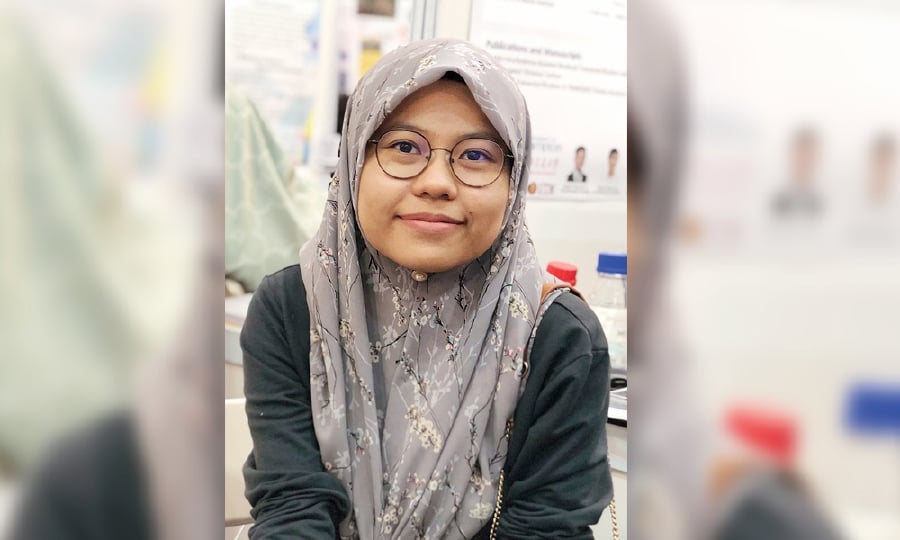
Sumarni Mansur.
Having to rewrite the assignment, she had been briefed by her lecturer on the importance of respecting copyrighted materials and the consequences of plagiarism. Later, she enrolled in an academic writing class.
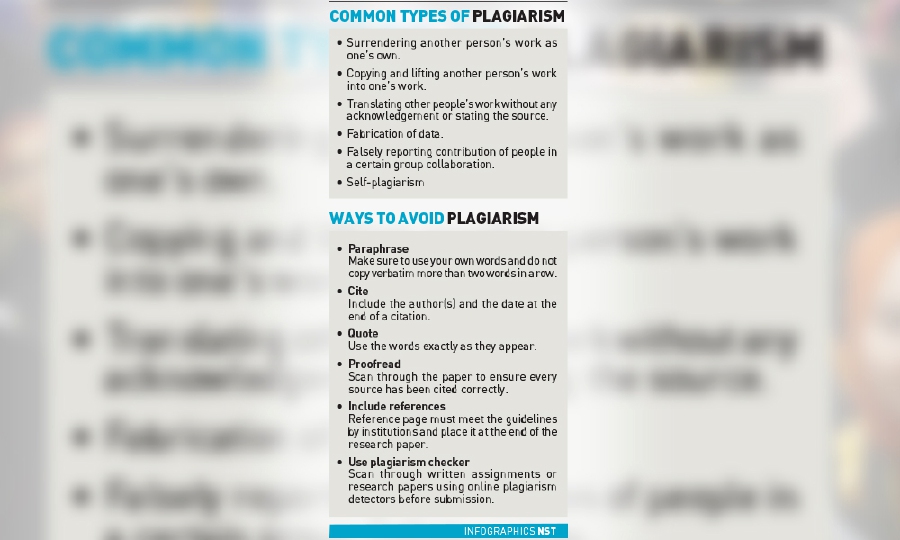
Plagiarism is a form of cheating and academic dishonesty.
It refers to taking someone else’s work or idea and passing it off as your own. The original work is hidden from the assessor, whether by not citing it properly or by not mentioning it at all.
Plagiarism, although not new in academia, is a growing concern in higher learning institutions and it deals with ethical and integrity issues.
According to UTM Faculty of Social Sciences and Humanities dean Professor Dr Zaidatun Tasir, ideas and works are
not confined to written texts only, but also include images, videos, audio, graphics and designs.
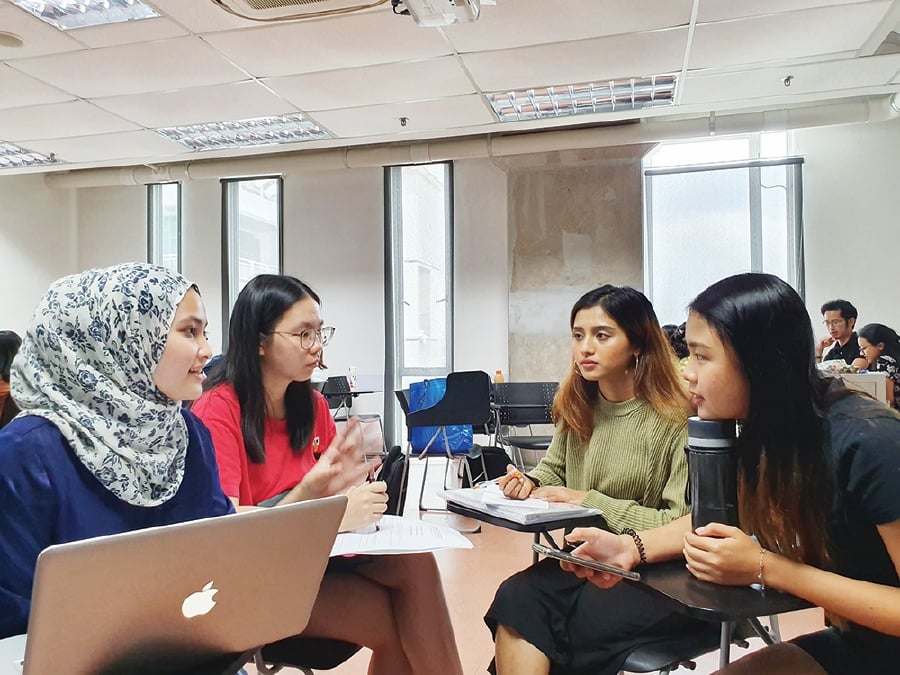
Classes on plagiarism and academic writing help students to understand what constitutes plagiarism and how to avoid it.
“In academia, giving incorrect information about the source, copying the sentence structure and changing only certain words are categorised as plagiarising.
“Plagiarism may occur in different circumstances. A person plagiarises when he publishes an abstract, article, academic paper or a book which is entirely or partly written by another person yet claiming himself as the author.
“It is unacceptable if he incorporates himself or allows himself to be acknowledged as a co-author of a publication when he has not made any written contribution to the paper. A person who uses research data obtained through collaborative work with other individuals as part of a publication in his own name as a sole author without obtaining the consent of his co-researchers can be regarded as plagiarising as well.
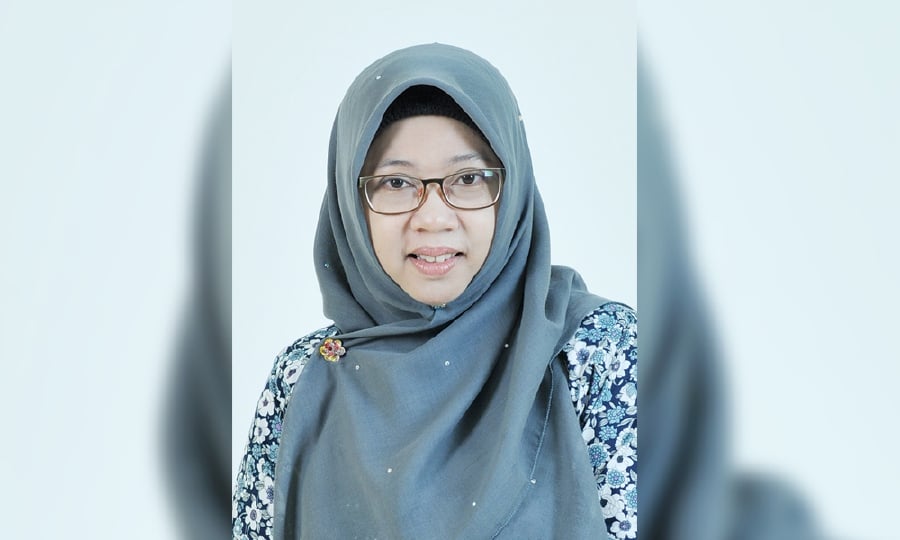
UTM Faculty of Social Sciences and Humanities dean Professor Dr Zaidatun Tasir.
“Plagiarism also includes extracting ideas from another person’s writing or creation and making certain modifications without due reference to the original source, and rearranging them in a way that the ideas appear as his,” Zaidatun continued.
Professor Dr Nor Aziah Alias, who is Universiti Teknologi Mara (UiTM) director of academic development at the academic affairs division, said that the tendency to plagiarise normally involves tasks that require intensive writing such as term paper, thesis and project report.
Nor Aziah revealed that even without a plagiarism checker software, lecturers can still detect the act by reading through the text.
“Being an expert in the field, we read a lot pertaining to the subject matter. Coming across a text of high familiarity in its theories, knowledge or published findings, lecturers tend to remember that they have read the content elsewhere.
“A quick Google search of a familiar phrase will easily reveal its source,” she added.
Zaidatun explained: “We still can detect plagiarism through the quality of writing. A plagiarised text may be too perfect, with eloquent words and well-expressed thoughts, which we know is beyond what the students are capable of.
“Lecturers may also question the originality of the works produced due to inconsistency of ideas and writing flow. This could be the result of copying from different sources.”
Professor Dr Nor Aziah Alias.
While a simple “copy and paste” may save students a lot of time, not many are informed of the stern penalties having involved in committing the academic misconduct.
Nor Aziah added: “In our university, plagiarism is totally unacceptable. A student who plagiarises, once proven, may be given a fail grade for the assignment or the course, barred from continuing in the semester, or be dismissed from the university. In worse circumstances, diplomas and degrees may be retracted.
“We had a PhD thesis reek with paragraphs taken from other sources. In the case, the student did not receive his doctorate.”
She added that plagiarising does not only occur among students. In academic settings, it is an act that anyone could potentially commit, including lecturers.
“In some cases, there is a tendency for a lecturer to present his previously published work as new. This is known as self-plagiarism.
“The need to churn out publications may result in reproducing data or findings. Some academicians don’t find using their own published work wrong as it is theirs. We had lecturers who were admonished for unintentionally doing this.”
UiTM second year Faculty of Law student Nurul Fatiha Norsip said she has to do a lot of research as the course demands that she be precise when stating something, by referring to the authorities.
Nurul Fatiha Norsip.
“Therefore, it is crucial for me to be familiar with the style of paraphrasing and quoting the content that I mention to avoid plagiarism. However, I have a friend who was caught plagiarising his assignment. He was warned and needed to repeat that particular subject,” she said.
REASONS
Students may plagiarise for a number of reasons, ranging from laziness to ignorance.
Zaidatun pointed out that often the problem is committed unknowingly due to underdeveloped academic skills.
“Plagiarism is the product of lack of critical thinking, creativity and self-confidence towards one’s own work. Other than that, students can be tempted to plagiarise written works when they are under pressure. They could be overwhelmed by too many assignments from different subjects which eventually lead to poor time management.
“As a result, they may be doing last minute work to catch up with the deadlines of submissions. They may take the easy way out and copy others’ works out of urgency hoping that no one will notice,” said Zaidatun.
Third year UiTM Human Resource and Management student Muhammad Aznur Syah Azman said that plagiarism is unfortunately becoming more common as the information age progresses.
“Due to the vast accessibility to materials and data on the Internet, it is easy for students to directly take content for their assignments without properly crediting the source,” said Muhammad Aznur, who is also UiTM Student Representative Council president.
“Copying the work of others is definitely easier than coming up with your own sentences. In addition, the articles found online sound more eloquent and error-free. These are some of the reasons why some students may cut corners with their written tasks.
Muhammad Aznur Syah Azman.
“Students may commit the act on purpose or accidentally due to the lack of understanding of the consequences of plagiarism. During my diploma years, I had a subject on academic writing. During the class we were exposed to what is plagiarism and why it is wrong to do it.”
For Sumarni, the main factor in this issue is a poor command of the English language.
“It is especially a challenge for second language speakers. Academic writing needs good language skills to understand the works of others and to write your own.
“When you have a good understanding of a subject, you will be less likely to ‘steal’ others’ ideas and claim them as your own. Before writing the academic paper, it is important for students to dive deeper into the subject and read extensively from other sources. To do so, they need a strong command of the language.
Students with limited vocabulary and poor grammar may use the readily available sentences or ideas from other researchers.
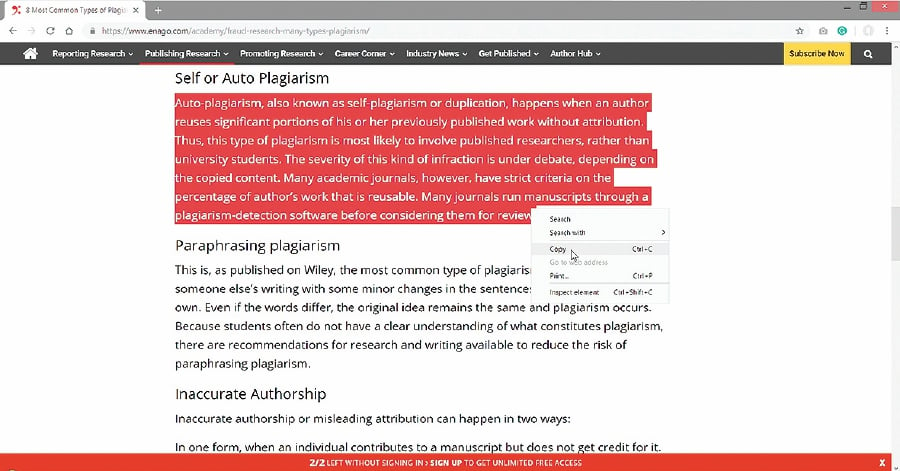
A simple “copy and paste” leading to committing academic misconduct.
She continued: “Another reason why I believe plagiarism is prevalent among postgraduate students is due to the pressure of fulfilling the key performance index laid out by the institution or postgraduate supervisors.
“Owing to the pervasive culture of publish or perish, students become highly competitive in producing plenty of academic papers, with quantity emphasised over quality.”
STRONG VALUES
Academic integrity is key, stressed Nor Aziah. She said that education is not just about getting the scroll; it is a platform to holistically educate individuals on high integrity, soft skills, values and social competency.
“Earning a diploma or a degree through crafty ways such as cheating or plagiarising not only undermines the certification but also produces graduates who may later cut corners to achieve what they want. A thriving society is built upon strong values and trustworthiness.
“In lectures of any subject, the attainment of learning outcomes is of utmost important. As lecturers, we are very cautious in designing the syllabus or modules which include content delivery and assessments that are aligned to the stipulated outcomes.
“Originality in both formative and summative assessments is vital to indicate that the actual attainment happens for each student.

Plagiarising is a serious academic offence, which many may not be aware of.
“By plagiarising, a number of parties have been wronged — the person from whom the work has been plagiarised, the lecturer who may assess and provide marks that do not illustrate the actual capability of the student, the academic administrator and management who use the achievement data to make further academic and institutional decisions, and the student whose credentials may not reflect his genuine achievements.”
If students don’t understand the rules of copyright, the idea of intellectual property will not be valued, added Sumarni.
“Students should be exposed to the issue of plagiarism earlier like during secondary school, and not only when they enter a higher learning institution.”
POLICIES
The key to avoiding plagiarism is to give credit where it is due, said Zaidatun.
“Students need to be exposed to the correct way of writing in-text citations. Therefore, organising talks or workshops on plagiarism is the first step to remind the students of the misconduct or behaviour.
“In lectures, sharing previous cases of plagiarism and their penalties can be another initiative to raise awareness among students.
“Other than that, carrying out a self-reflection assessment by asking students to reflect on how they produce their writings and assignments is another approach to avoid plagiarised work,” she said.
Zaidatun added that all written works from graded assignments to academic journals of students and academic staff must be checked through plagiarism detection software prior to submission, with the report verified by the top management of the faculty.
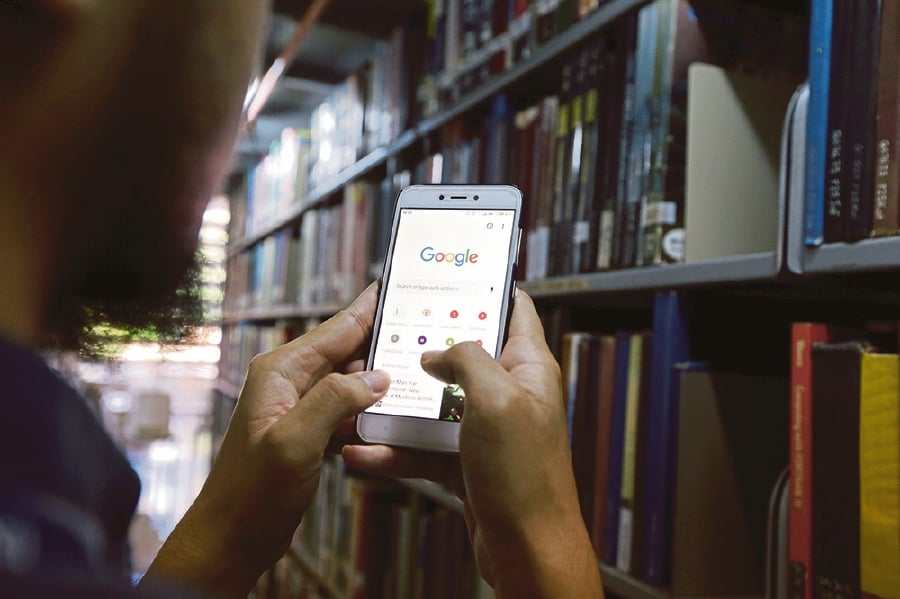
Students may be tempted to take the easy way out by copying content from online websites without proper referencing.
“We use plagiarism detection software such as Turnitin which is used by many students, lecturers and institutions as it is easy and highly accessible.
“In addition, we have in-house plagiarism software developed by UTM researchers where it can detect beyond copyright content — the flow of ideas, writing style, as well as data similarities across different languages including English, Malay, Persian and Arabic,” she said.
Nor Aziah said: “The university uses Turnitin or Grammarly for detecting plagiarism. However, we caution lecturers or examiners to scrutinise the similarity index before concluding that the work is plagiarised.
“Blatant use of technology may result in students being treated unfairly.
“UiTM has its own policy on plagiarism — it is reviewed periodically to ensure relevance in the era of technology to provide rich learning environment.”
Muhammad Aznur said that to minimise plagiarism, he seeks instructor’s guidance from time to time.
“Speaking to my lecturers on the assignment content helps a lot especially when I have doubts in doing citations. “Good time management also ensures the work submitted is of good quality. It is better to start early on an assignment rather than push it to the last minute. Procrastination can put students in difficult situation where plagiarism is the only viable option to get things done.”
Nurul Fatiha is aware of the penalties of committing plagiarism.
“Realising that it is wrong to plagiarise, I am getting used to the practice of paraphrasing and citing someone’s work to respect the author’s ideas. It is also an ethical thing to do — to acknowledge the original writer,” she said.
NEW STRAITS TIMES ONLINE